


Home
ILLUMINATE in a nutshell
Prostate cancer treatment
Prostate cancer is the leading cause of death in a quarter of the world’s countries and is the most prevalent non-skin cancer amongst men in Europe. ILLUMINATE focuses on metastatic castrate-resistant prostate cancer, wherein the prostate cancer is not responding to a lowering of testosterone (castration) and the cancer spreads (metastasizes) towards other body part(s) than the prostate.
Radiotherapy using the scarce radioactive element lutetium is a very successful treatment used in the past years for this group of patients. The therapy works by coupling lutetium to a specific protein called PSMA that helps to bring the radioactive lutetium directly to the prostate cancer cells. As a result, lutetium damages the tumour cells and decreases them in size.
Unfortunately, despite the success of lutetium treatment for prostate cancer, around 30% of patients do not benefit from it but do suffer the associated side effects such as nausea and fatigue.
ILLUMINATE will improve cancer treatment efficacy
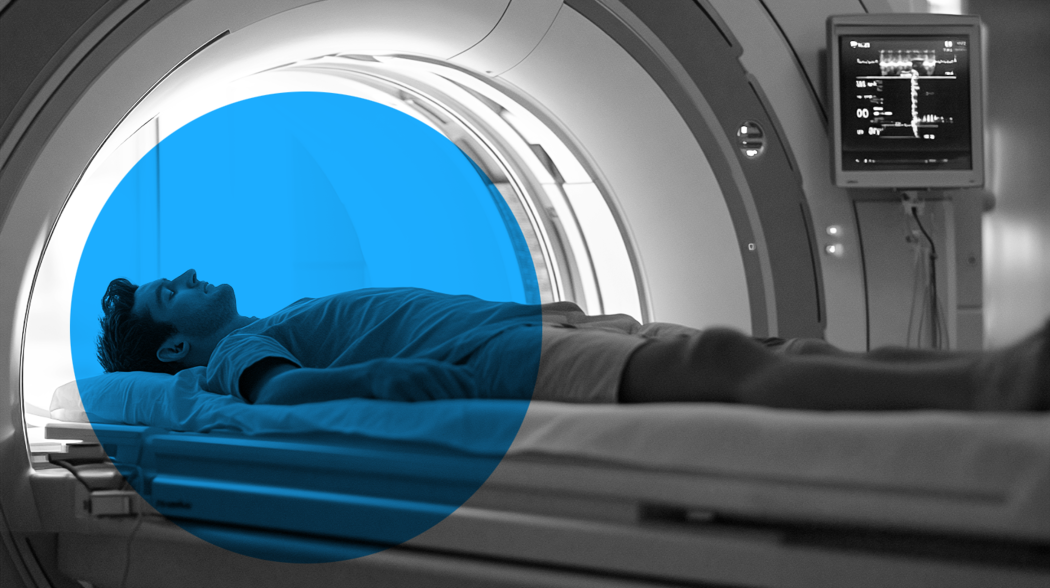
ILLUMINATE is a collaborative research project that aims to improve the efficacy of prostate cancer therapy by increasing availability of lutetium and exploring the application of Metabolic Magnetic Resonance Imaging (MRI) in cancer diagnosis and treatment. Metabolic-MRI is a scanner that makes highly detailed images of the chemical processes in the human body. This technique gives a lot of information about the tumour and detects if cancer treatment is working or not.
Metabolic-MRI is a new technology that is not yet used in the clinical setting for prostate cancer. Scientific research indicates that metabolic-MRI can provide a breakthrough to monitor therapy with lutetium and improve diagnostics at the same time, an approach called theranostics. By combining lutetium imaging and metabolic-MRI, clinicians obtain information about the tumour’s response to the lutetium treatment while patients are still undergoing it. Doctors can then make a personalized treatment plan for each patient. Such a plan provides patients with the best personalised treatment suited to their unique needs and cancer type. This will increase the efficacy of their treatment and reduce the side effects as much as possible.
However, there are currently no guidelines on the proper clinical use and analysis of metabolic-MRI images. These are a necessity to allow for implementation of metabolic-MRI and theranostics in the routine care for prostate cancer patients. ILLUMINATE will conduct a clinical study to develop evidence-based guidelines and to further optimize metabolic-MRI techniques.
ILLUMINATE will increase availability of lutetium
ILLUMINATE's second goal is to increase the availability of lutetium treatment. Since its recent success as prostate cancer treatment, the demand for lutetium has been rising. This requires increase in production of lutetium to meet the rising demand.
Lutetium is produced from the starting material ytterbium, which is a scarce and is predominantly supplied by non-EU countries. To increase its production and to become less dependent on non-EU countries, ILLUMINATE will develop the recycling process of ytterbium. By recycling the starting material, more lutetium could be produced in a more sustainable way. This will enable wider use of lutetium treatment in cancer patients.
Stakeholder Involvement Community
ILLUMINATE strongly values the input of patients and members of the public on its work and will therefore set up a Stakeholder Involvement Community (STIC). The STIC will give advice on the development of the project as to make sure that findings are implemented in such a way that they benefit all patients.
Altogether, ILLUMINATE will further develop the promising technology metabolic-MRI and increase the availability of lutetium treatment for prostate cancer patients.