Research
About Lutetium
Lutetium-177 is a radioactive isotope which is increasingly being used in cancer treatment, specifically in a therapy known as peptide receptor radionuclide therapy. Lutetium-177 emits both beta particles, which can destroy cancer cells, and gamma rays, which enables imaging to monitor treatment progress. This dual action makes it highly effective in treating and tracking tumours.
In the last years, lutetium-177 therapy has been used to treat metastatic prostate cancer. These tumours often have specific receptors on their surfaces that can be targeted for effective treatment. In such targeted therapies, lutetium-177 is attached to a molecule designed to bind to the prostate-specific membrane antigen (PSMA) receptor on the tumour. When injected, the lutetium-177-labeled molecules selectively bind to tumour cells, delivering radiation directly to the cancer while sparing most surrounding healthy tissue.
Lutetium-177-PSMA treatment is a so-called theranostic approach wherein imaging and treatment itself are based on the same administered peptide, i.e. PSMA. Supplementing standard clinical care with Lutetium-177 treatment has significantly prolonged the survival in prostate cancer patients.
Lutetium-177 production
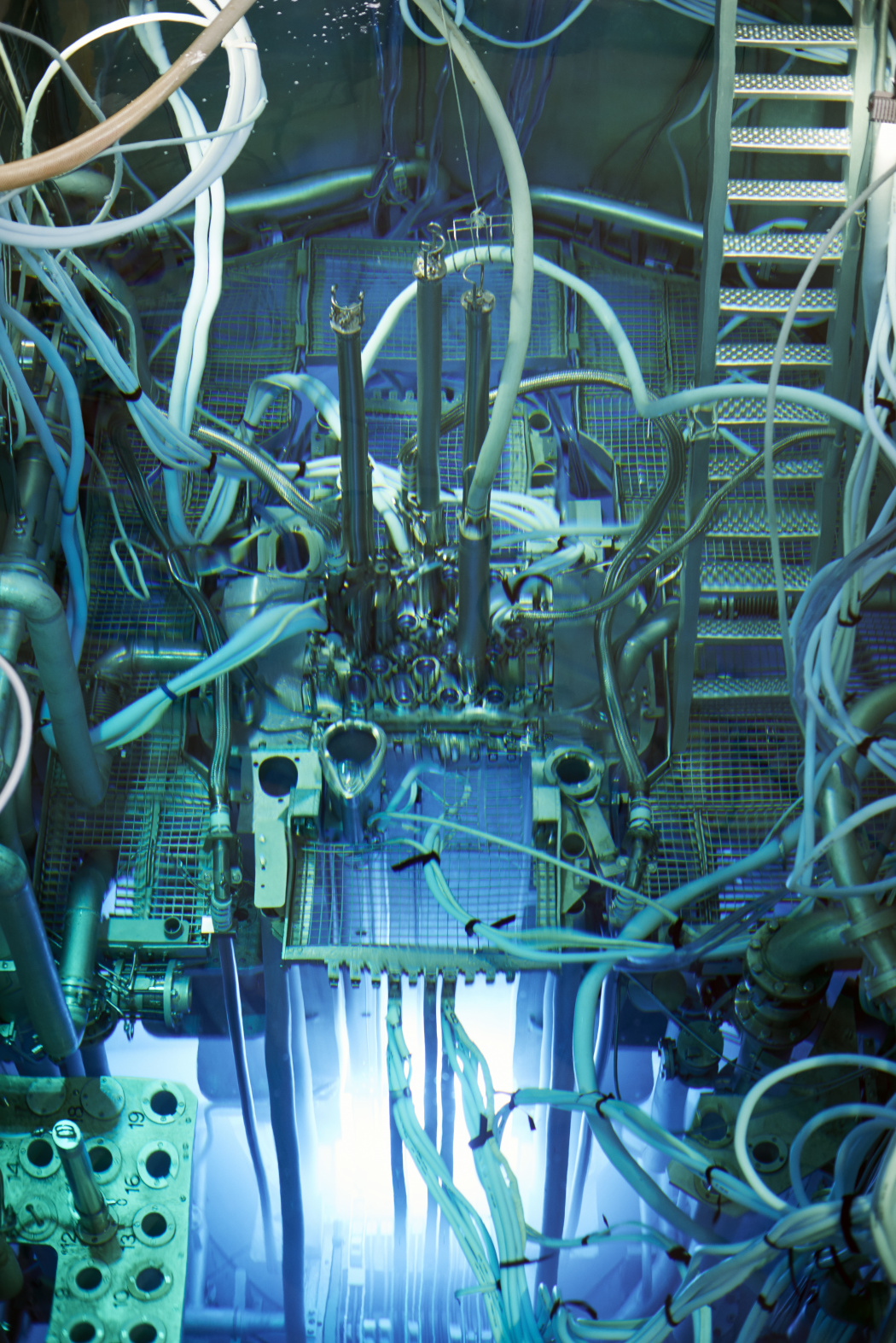
Lutetium-177 is produced by exposing the stable element ytterbium-176, to neutrons in a nuclear reactor, which transforms it into radioactive lutetium-177. Once produced, lutetium-177 loses the radioactivity in about 7 days, which is why it must be quickly transported to hospitals for use. Lutetium-177 has increasingly been used for treatment of cancer, which has resulted in an increased demand for lutetium and the starting material ytterbium. However, the starting material ytterbium is scarce, and Europe is dependent on non-EU countries for its supply. The generated amount of lutetium-177 is around 5000 times less than the amount of the remaining ytterbium.
ILLUMINATE will increase lutetium-177 production
ILLUMINATE will make sure that Europe's demand for lutetium-177 is met and that the dependency on non-EU countries for lutetium production is decreased. This will be achieved by increasing lutetium-177 production and ensuring a centralized production of high-quality radiopharmaceuticals. The latter will in turn increase the cost-effectiveness and decrease the production time for lutetium-177 treatment.
Moreover, ILLUMINATE will focus on the development of a recycling process of ytterbium. This will improve the sustainability of lutetium production and decrease Europe's dependency on non-EU countries for supplying lutetium's starting material.
Increased lutetium-177 production at NRG PALLAS
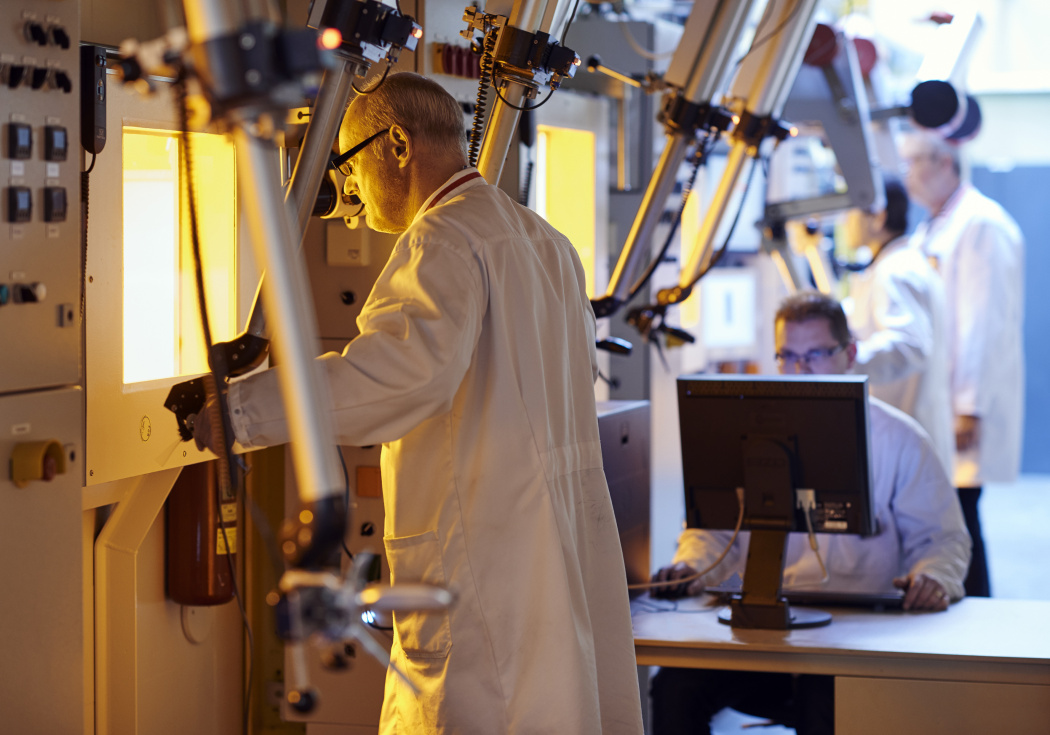
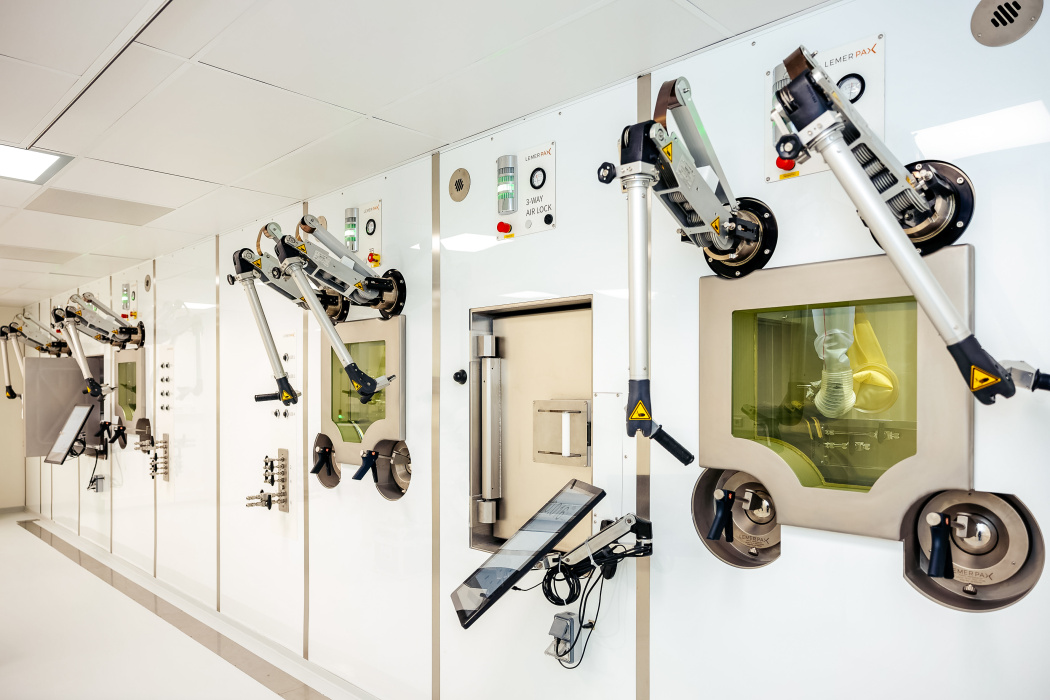
With previous support and funding from the European Fund for Regional Development, NRG PALLAS has been developing an improved production process for lutetium-177. The development at NRG PALLAS covers the complete production path from preparation of ytterbium for irradiation, dissolution of irradiated ytterbium, processing to separate lutetium-177, and purification to result in an aqueous solution of lutetium-177 trichloride.
By mid 2025, the complete production process will be implemented to deliver circa 10 patient doses per production round for clinical studies in 2024. Within the ILLUMINATE project, the production process will be further advanced to deliver a daily scale of 50 patient doses per production. The complete production process at NRG PALLAS will be registered at the European Medicines Agency (EMA).
Ultimately, these actions should lead to increased availability of lutetium-177 therapy for patients, wherein lutetium is produced in a more cost-effective way. In this way, ILLUMINATE will ensure the sustainability of the lutetium treatment in Europe.